19 Aug
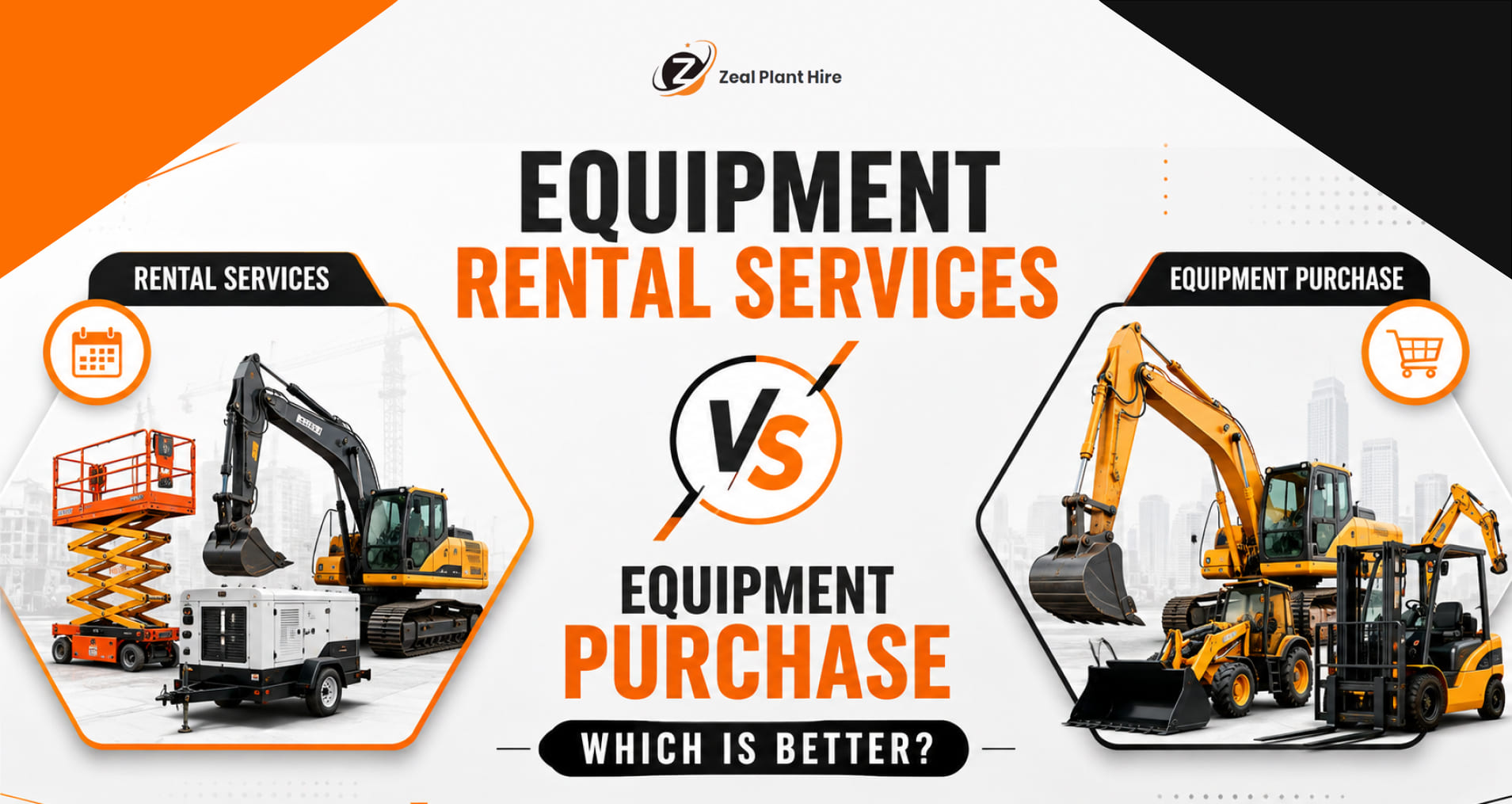
For construction companies, contractors, facility managers, event organizers, and industrial businesses in Qatar, choosing between equipment rental services and equipment purchase can have a significant impact on project costs and efficiency. Construction and infrastructure projects often require specialized machinery for a limited period, while some businesses need equipment regularly for long-term operations.
The right choice depends on factors such as project duration, budget, equipment usage, maintenance requirements, storage, and the availability of reliable rental providers. Understanding the advantages and limitations of both options can help businesses make a more practical investment decision.
Equipment Rental in Qatar: A Flexible Approach
Equipment for rent allows businesses to use machinery and tools without purchasing them outright. Instead of making a large initial investment, companies pay a rental fee for the period during which the equipment is required.
This option can be particularly useful for short-term construction projects, seasonal requirements, emergency work, and projects involving specialized machinery.
Lower Initial Investment
One of the biggest advantages of renting is reduced upfront expenditure. Purchasing heavy machinery can require substantial capital, particularly when a project requires equipment such as telehandlers, generators, lighting towers, scaffolding, or other specialized construction equipment.
With rental, businesses can allocate their available capital to labor, materials, transportation, and other important project requirements.
Access to Different Types of Equipment
Projects often have changing equipment requirements. A contractor may need a telehandler for one stage of a project, lighting towers for another, and generators or temporary facilities later.
Renting makes it easier to select equipment according to the specific requirements of each project without committing to permanent ownership.
Reduced Maintenance Responsibilities
Equipment ownership comes with ongoing responsibilities, including servicing, repairs, inspections, replacement parts, and routine maintenance. These costs can become significant as machinery ages.
Depending on the rental agreement, maintenance and servicing may be handled by the rental provider. This can reduce the workload for businesses and allow project teams to focus more closely on their core operations.
Easier Equipment Upgrades
Technology and equipment specifications continue to evolve. Rental gives companies greater flexibility to access newer or more suitable machinery when needed instead of continuing to operate older equipment.
This can be especially beneficial when a project requires equipment with specific capacity, safety features, or performance specifications.
Equipment Purchase: When Ownership Makes Sense
Buying equipment can be a smart decision when machinery is required regularly over a long period. Although the initial investment is higher, ownership provides complete control over the equipment and eliminates recurring rental charges.
For companies with consistent equipment requirements, purchasing can potentially become more economical over the long term.
Long-Term Availability
When a company owns equipment, it does not need to worry about rental availability when a project begins. The machinery can be used whenever required, provided it is operational and properly maintained.
This can be valuable for contractors handling continuous projects or businesses with permanent equipment requirements.
Potential Long-Term Cost Benefits
If equipment is used frequently for several years, cumulative rental expenses may eventually exceed the cost of purchasing the machinery.
For example, a contractor that consistently requires the same type of equipment throughout the year may find ownership more financially attractive than paying rental charges repeatedly.
However, the comparison should include the total cost of ownership, including maintenance, insurance, storage, depreciation, transportation, financing, and eventual replacement.
Greater Operational Control
Ownership provides businesses with greater control over how and when equipment is used. Companies can customize maintenance schedules, assign equipment to different projects, and retain the machinery as a long-term business asset.
Key Factors to Consider in Qatar
Before deciding between equipment rental and purchase, businesses should evaluate several important factors.
1. Project Duration
For short-term projects, equipment rental is often more practical because the company only pays for the period it needs the machinery.
For long-term, continuous use, purchasing may become more attractive.
2. Frequency of Use
Consider how often the equipment will actually be used. If machinery will sit unused for long periods, purchasing may result in capital being tied up in an underutilized asset.
Rental can be more efficient when equipment is required occasionally.
3. Total Cost
Do not compare only the purchase price with the rental rate. Consider the complete financial picture.
For purchased equipment, calculate:
- Purchase price
- Financing costs
- Maintenance and servicing
- Spare parts
- Insurance
- Storage
- Transportation
- Depreciation
- Operator-related expenses
- Replacement costs
For rental equipment, consider:
- Rental charges
- Delivery and collection
- Operator costs, if applicable
- Fuel or operating expenses
- Rental duration
- Security deposits or other contractual charges
A total-cost comparison provides a more realistic basis for decision-making.
4. Storage and Transportation
Heavy equipment requires appropriate storage when it is not being used. Businesses must also consider transportation between project locations.
Rental can reduce the need for permanent storage facilities, particularly when equipment is supplied and collected by the rental company.
5. Equipment Availability
Before choosing rental, businesses should confirm that the required equipment is available when the project needs it. Working with an established equipment rental company in Qatar can make it easier to source different types of machinery and temporary equipment.
6. Maintenance and Downtime
Equipment breakdowns can delay projects and increase costs. When purchasing, the business is generally responsible for maintenance and repairs.
With rental, maintenance responsibilities depend on the agreement. Businesses should clearly understand who handles servicing, breakdowns, replacement equipment, and emergency support before signing a rental contract.
Equipment Rental or Purchase: Which Is Better?
There is no universal answer. The better option depends on the business’s specific circumstances.
Equipment rental may be better when:
- The project is short-term.
- Equipment is needed occasionally.
- Capital expenditure needs to be minimized.
- Specialized machinery is required temporarily.
- Storage space is limited.
- Maintenance responsibilities should be reduced.
- Equipment requirements frequently change.
Equipment purchase may be better when:
- Equipment is needed continuously.
- The same machinery is used across multiple projects.
- Long-term utilization is high.
- The company has sufficient capital.
- Storage and maintenance facilities are available.
- Ownership provides strategic operational advantages.
A Hybrid Strategy Can Be the Best Solution
Businesses do not necessarily have to choose only one approach. A combination of purchasing and renting can provide greater flexibility.
For example, a construction company may purchase frequently used machinery while renting specialized equipment required only for specific projects. This strategy allows the company to maintain access to essential equipment while avoiding unnecessary investment in machinery that spends most of its time unused.
Choosing a Reliable Equipment Rental Supplier in Qatar
If rental is the preferred option, choosing the right supplier is just as important as choosing the right equipment. Businesses should look for a provider offering well-maintained machinery, transparent rental terms, dependable delivery, and responsive support.
A professional equipment rental company in Qatar like Zeal Plant Hire can help businesses identify suitable equipment based on project requirements, duration, capacity, and operating conditions.
Companies should also check equipment condition, safety standards, availability, rental terms, and support services before finalizing an agreement.
Final Thoughts
The decision between equipment rental and equipment purchase in Qatar should be based on utilization, project duration, total cost, flexibility, maintenance, and long-term business requirements.
Rental is often an attractive solution for short-term projects, changing equipment needs, and businesses seeking to reduce upfront investment. Purchasing can make sense when equipment is required frequently and consistently over many years.
For many businesses, a hybrid approach combining equipment ownership with strategic rental can provide the ideal balance between cost control and operational flexibility. By carefully evaluating the total cost and practical requirements of each project, companies can choose equipment solutions that support efficiency, productivity, and sustainable growth in Qatar.